
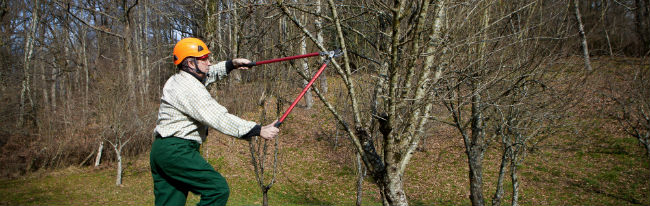
Garden Maintenance: DECEMBER
Now is a good time to start thinking about landscaping projects you might like to do over the winter ready to enjoy next spring. For example, has water logging been a problem this year - ask your gardener for advice to improve your soil.
Top gardening jobs for December
1. Check that tree ties are still in place to avoid wind damage.
2.
Remember garden hygiene; remove fallen leaves and add them to the compost
heap - do not add diseased leaves to the compost heap.
3. Most deciduous
trees and shrubs can be pruned now.
4. Prune acers, birches and vines
before January to avoid bleeding.
5. Deciduous trees and shrubs can still
be planted and transplanted.
6. Take hardwood cuttings.
7. Reduce watering of houseplants.
8. Think about landscaping work
that can be done now to make life easier next year.
Flowers
- Continue to cut back faded herbaceous perennials.
- Place bark chip
mulch around the base of your Christmas rose to stop mud splashing on the
blooms.
- Clear weeds from your flower beds. Mulch can be added in the
Spring. You may want to order this from your gardener now so that he/she
knows how much to order.
- In mild areas you can still lift and divide
herbaceous perennials when the weather is dry. This will increase your
stocks and revive any poorly flowering clumps.
- Root cuttings can be
taken from now on and Alpines can be sown from seed this month (They need a
period of cold weather to break the seed dormancy).
- Tidy-up fallen
leaves from borders if you have not already done so and add them to the
compost heap. Leaf-mould can be used as a soil improver.
- Don't forget
to tidy your tubs and containers by removing weeds, debris and add a layer
of decorative gravel/grit mulch; this will stop mud splashing up in
wet weather.
- Raise pots onto 'pot feet' or bricks so that they don't
spend the winter sitting in wet puddles!
- Now is a good time to improve
the drainage of heavy clay soils by working in plenty of bulky compost such
as bark. The wind, rain and frost will help break the soil down.
- Some
large tubs may crack in the frost so you may want to cover them with
bubblewrap or similar to insulate them over the winter.
- Bring tender
plants into the greenhouse or your conservatory if not done so already. Even
in mild areas the weather usually gets much harder after December.
-
Sometimes daffodils can come up very early - enjoy them while they last.
- If you have to walk on wet soils lay a long plank of wood or similar to
spread your weight and avoid compacting the soil.
Trees, Shrubs and Hedges
- Pruning and renovation of many deciduous trees, shrubs as well as
hedges can be carried out from now and throughout the winter. It is easier
to see what you are doing when the leaves have fallen off!
- Don't prune
evergreens until the spring.
- Check tree ties and stakes to ensure that
they are still effective. Wall shrubs and climbers should be tied onto their
supports to protect them from damage by the wind.
- Acers and Betula
should be pruned before the end of the year to avoid sap bleeding from the
cuts.
- You can take hardwood cuttings from ornamental shrubs such as
Berberis Buddleja and Forsythia.
- Spray a winter wash on roses and the
surrounding soil to keep black spot under control; its been a big problem
with the wet summer we have had. (some people have home-made remedies but
visit your local garden centre first to see what they have).
- It is too
late now to have plants with colour during the winter as they would need
time to establish. So, visit public gardens, garden centres etc and take
note of the most colourful
- dogwoods (Cornus), Salix and white-stemmed
Rubus shrubs and consider what would be suitable for a possible winter
display in your garden next year.
- You can continue to plant bare-root
deciduous hedging plants and trees, plant roses, move established deciduous
trees and shrubs.
Greenhouse and Houseplants
- Bring back amaryllis (Hippeastrum) into active growth with regular
watering and feeding for flowers in the new year.
- House plants won't
need so much water now that the days are shortening.
- Cacti need very
little water or feeding over the winter just keep them barely moist until
the spring.
- You may now be given a Cyclamen plant which appreciates a
cool, light room. Water into the saucer not the pot to avoid wetting the
leaves which can easily result in fungal infections.
- Christmas cactus
(Schlumbergera truncata and S. x buckleyi) may fail to give flower buds if
the temperature is too high (above 18C/65F). Try moving the cactus into
cooler space and away from artificial night lighting.
- Hyacinths like a
cool, bright space - if it's too warm you will have more leaves than
flowers.
- Water azaleas with rainwater not tap water; water regularly
and keep in a cool room.
- Poinsettias are susceptible to the cold; avoid
buying them from outdoor stalls on cold days and keep them in a warm,
draught free room.
- Have you insulated your greenhouse with bubble wrap?
Clear leaves and twigs from greenhouse and shed gutters.
Lawn Care
- Grass will continue to grow if the temperature is above 5C so it may be
necessary to give the lawn in trim. Don't cut your lawn as short now as you
do in the summer.
- Rake fallen leaves from your lawn before they kill
the grass.
- Take this opportunity to repair damaged lawn edges and
re-cut the lawn edges. This makes the lawn look really tidy and saves work
next year.
- Avoid walking on your lawn during a frosty morning as this
can damage the grass.
- Have a good look at your lawn - watch for signs
of waterlogging as you may be able to remedy this with some aeration (lots
of small holes), scarifying (raking the lawn to remove dead grass) and a top
dressing; ask your gardener for help.
Pond care
Net your pond to stop herons stealing your fish.
- Regularly remove
fallen weeds from ponds.
- If you do not have a pond heater remove ice
from your pond by holding a saucepan of hot water on the surface until it
melts through. Do not crack the ice, as this could harm the fish.
Landscaping
- Are any pipes susceptible to damage from freezing?
- drain them now
and put lagging around outdoor taps so that you can use them throughout the
winter.
- The winter is a good time to think about landscaping and new
installations; while the garden is dormant and can cope with being dug up
and moved. For example, consider installing garden lighting, water pipes,
drainage and add lights and power points to sheds and out-buildings;
of course, you will need an electrician.
- If the weather is dry you can
still treat wooden structures with preservative.
- Ask your gardener
about new paving, fence building, pond digging, gravel, mulch borders,
compost bins, arches, pergolas etc.
- Why not lay stepping stones to
avoid walking on and damaging your lawn when the weather is wet.
-
Pressure wash paths to stop them becoming slippery.
- Clean your tools
and drain any petrol out; unleaded fuel wont keep over the winter.